

There’s a viral moment happening on Chinese social media right now that Western tech isn’t paying attention to. Millions of people are opening Douyin, pointing their phone cameras at their closets, and asking Doubao, ByteDance’s AI assistant, what to wear. They’re standing in their bedrooms in their underwear. They’re laughing. The AI gives them an outfit suggestion and sometimes it’s perfect and sometimes it’s hilariously wrong and they post both outcomes with equal enthusiasm.
What you’re watching isn’t an adoption curve. It’s play.
And play, it turns out, is how the future actually arrives. Not through corporate change management decks or mandatory training modules or think pieces about preparing your workforce. Someone found it fun to do a dumb thing with a new toy and told their friends, and the behavioral barrier fell through laughter, not discipline.
Keep that in your pocket. I want to tell you about a skater.
Alysa Liu became the youngest US national figure skating champion at 13. By 16, she’d competed at the Beijing Olympics and won bronze at Worlds. She was on the trajectory we love to tell in this country: the relentless grinder, the kid who sacrifices everything. And then, in 2022, she quit.
Not because she failed. Because the pandemic gave her a day off, and a day off gave her a thought she’d never been allowed to have: Oh, I can eat. I can do things that aren’t skating. She started gaming, watching anime, hiking, going to school like a normal teenager. She found out who she was when nobody was watching.
And then, on a ski trip, she felt a familiar rush. She came back.
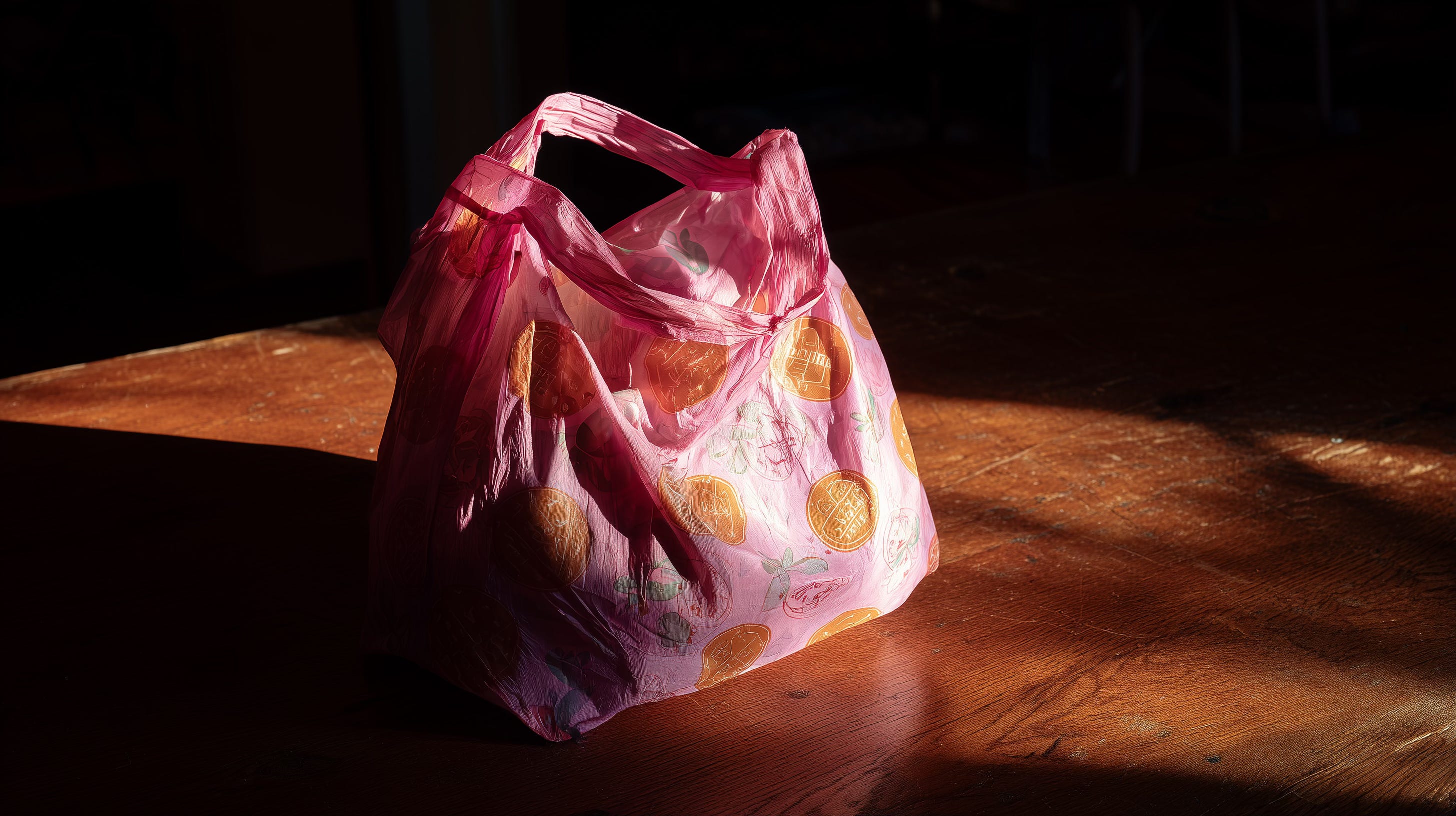
But the person who returned was different from the one who left. Liu’s father, Arthur, fled China after the 1989 Tiananmen Square protests. She grew up in a house where you speak up, you talk back, you decide for yourself what you’re willing to sacrifice. So when she came back to skating, it wasn’t because the machine pulled her back in. It was because she chose it. She showed up to the 2026 Milan Olympics with two-toned halo hair and a smiley piercing she’d given herself. Her free skate was set to Donna Summer. Her gala costume was inspired by Madoka Kaname, an anime character who has to decide whether to leave her normal life behind for something harder and stranger. During a Teen Vogue cover shoot after her win, somebody asked her to jump on a mattress and she did a full double axel in a pair of designer boots, which is both the most dangerous and the most joyful possible response to that request. She won two gold medals and carried them around the country in a strawberry-patterned nylon grocery bag.
“I would’ve been fine either way. I would’ve been loving life outside of skating just as much.”
When reporters asked what Olympic gold meant to her, she said something that should be impossible: “I would’ve been fine either way. I would’ve been loving life outside of skating just as much.”
How do you square that? How can you win at that level and mean it when you say you’d have been fine losing? How can you tell a reporter “I pick hanging out with my friends over a session, and if that makes me a worse skater, so be it” and then go land the jumps that win gold?
I spent a long time in a career that made those questions hard to even ask.
The version of excellence that sells books and motivational content is the athlete fueled by damage. The chip on the shoulder. Goggins at 3am because suffering is the point. I believed that story for most of my career, because the work was hard enough that you needed a narrative to justify the cost, and “I’m tougher than everyone else” was a narrative that fit. But that fuel isn’t renewable. The person running on spite eventually has to face the question Liu faced at 16: who am I when this stops working?
There was a specific night, very late in a pitch that we were going to win regardless, where I saw a creative director cry in a stairwell over feedback that could have waited until morning. And I realized the machine I was part of was not actually producing better work by running this way. It was producing the same work it would have produced at a human pace, plus a lot of broken people. And I was one of them, I’d just gotten good at not noticing.
I left that world. Not at Liu’s age, not with her grace. What I’ve left behind isn’t stuff. It’s people. Every time I’ve moved on, I’ve left behind teams I built, people I hired, trained, protected, fought to get promoted. Nearly all of them are still in touch. They’ll say generous things about me to anyone who asks. And I left them anyway, every time, because the fuel ran out or the machine broke or I broke first.
Joy compounds. Resentment depletes.
And then, if you’re lucky, the thing calls you back, and you return different. Looser. More dangerous, actually.
Liu came back with something the spite-driven athlete never develops: a reason to keep going that doesn’t require an enemy. “I love pushing myself,” she said after winning gold. “I love doing stuff that I really don’t want to do, really hard things. I get a kick out of it.”
The best creative work I’ve done in recent years has come from the same place she skates from: genuine curiosity, not professional obligation. The brief is a puzzle and the puzzle is fun. That sentence would have embarrassed me five years ago. It doesn’t anymore.
Joy compounds. Resentment depletes.
The brief is a puzzle and the puzzle is fun. That sentence would have embarrassed me five years ago. It doesn’t anymore.
In the anime that inspired Liu’s gala dress, Madoka Kaname is granted a wish, but only if she agrees to leave her normal life and become something harder and stranger. The show frames it as a sacrifice. Liu already made that choice in reverse. She had the hard, strange life. She walked away, found the normal one, and then chose the hard version again, freely, because she wanted it. Not because she was afraid of what would happen if she stopped.
Someone is standing in their bedroom in their underwear, pointing a phone at their closet, laughing at what an AI tells them to wear. They look silly. They’re not optimizing anything. They have no adoption framework, no readiness assessment, no strategic plan.
But they’re playing. They’re building a relationship with something new, and the relationship is founded on curiosity instead of obligation. A year from now, they’ll know things about this technology that discipline alone will never teach, because play opens rooms that duty walks right past.
Alysa Liu carried two Olympic gold medals through an airport in a strawberry grocery bag. Not because she didn’t know what they were worth. Because she did, and she was free enough to carry them lightly.
I think she might be ahead of most of us.
Beautiful.